
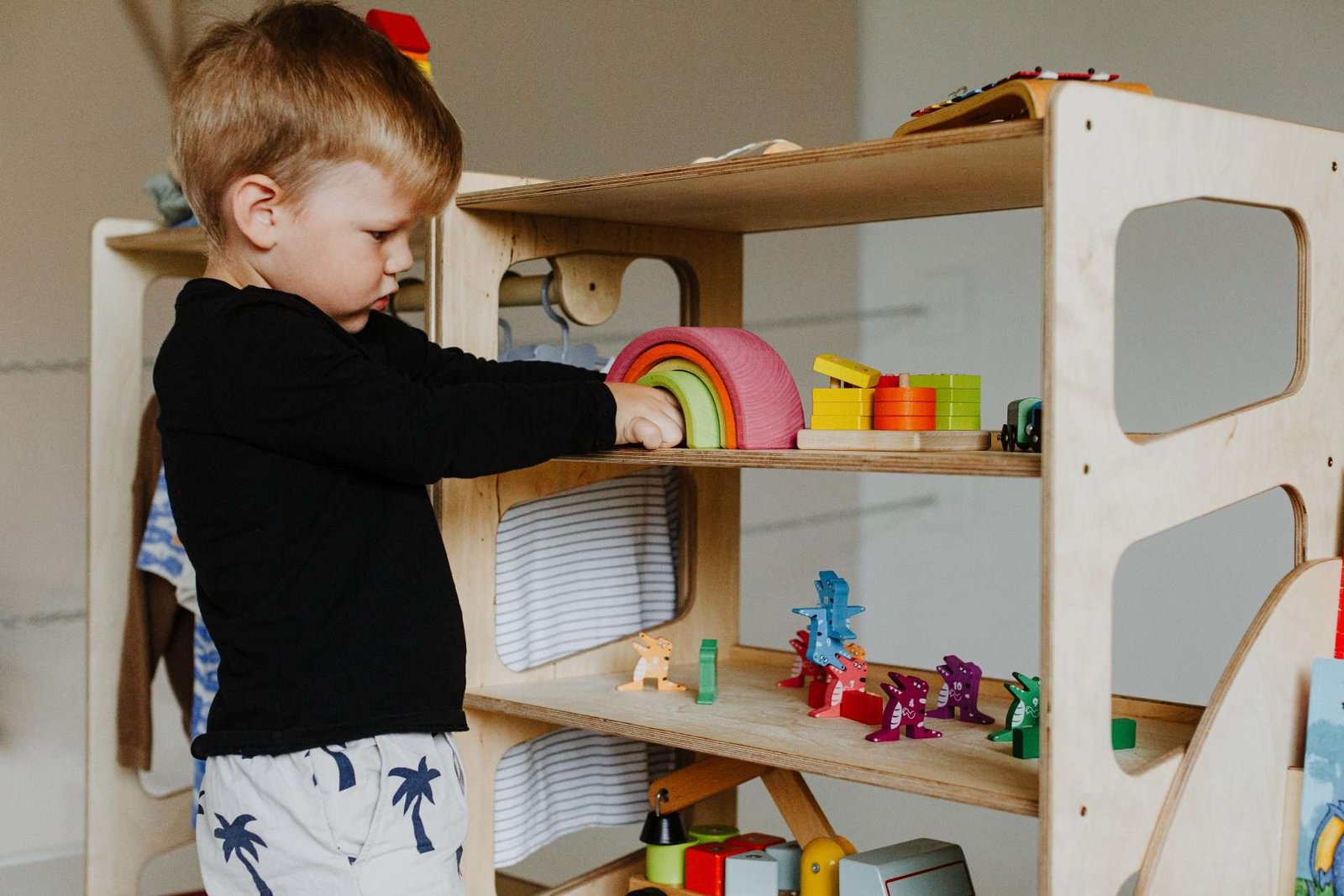
As a parent, you’ve likely experienced the overwhelming clutter of toys that seem to multiply overnight. One moment, your living room is an adult sanctuary, and the next, it’s a chaotic toy jungle. But don’t worry—there’s a proven method to bring order and boost your child’s development: Montessori toy rotation.
Montessori toy rotation simplifies playtime, and helps children focus, fostering their creativity and independence
What is Montessori Toy Rotation?
Montessori toy rotation is a simple yet effective strategy rooted in the Montessori educational philosophy, which focuses on independence, curiosity, and hands-on learning. The concept is to limit the number of toys available to your child at any given time, regularly swapping them out to keep interest high and avoid overstimulation.
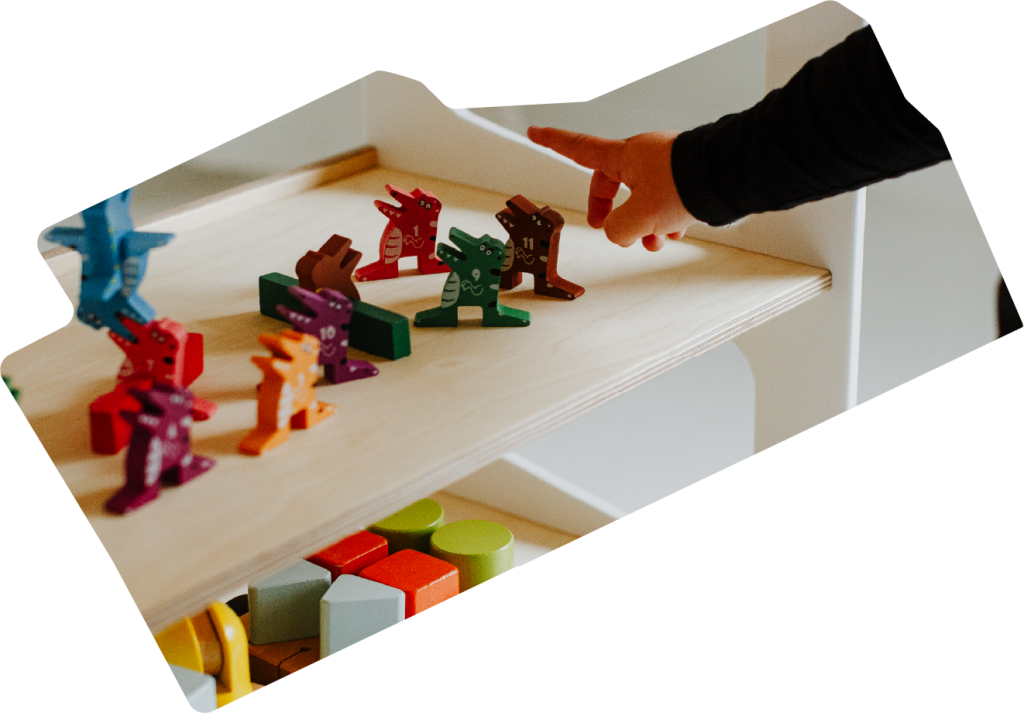
How to Implement Montessori Toy Rotation at Home
Start your Montessori toy rotation by sorting toys into categories like puzzles, blocks, and art supplies, removing duplicates or forgotten items. Select a few toys from each category that encourage different skills, and rotate them weekly or monthly based on your child’s age and interests. Arrange the toys on accessible shelves, promoting independent play, and adjust the rotation based on your child’s engagement—rotate sooner if interest fades or keep toys longer if they stay engaged.
The Benefits of Montessori Toy Rotation
Increased Focus: With fewer toys available, children are less likely to move quickly from one activity to another. This helps boost their ability to focus, concentrate, and develop problem-solving skills.
Enhanced Creativity: By limiting toy options, children are encouraged to use their imagination more freely. A single toy can be used in countless ways, stimulating creativity and independent play.
Reduced Clutter: Fewer toys on display mean less mess, helping you maintain a tidy and organized living space—a major win for busy parents.
Promotes Independence: Montessori-inspired spaces are designed to empower children to choose and tidy up their toys independently, reducing the need for constant adult intervention and fostering self-reliance.
Sustainable Toy Rotation: A Win for the Planet
At WECO, we believe in sustainability and quality. Investing in durable, eco-friendly toys and furniture not only benefits your child but also helps protect the environment. Montessori toy rotation supports a sustainable lifestyle by encouraging reuse and reducing waste.
Fewer, high-quality toys result in less clutter and a more meaningful play experience. Our Scandinavian-inspired designs ensure that your child’s play area remains both functional and stylish.
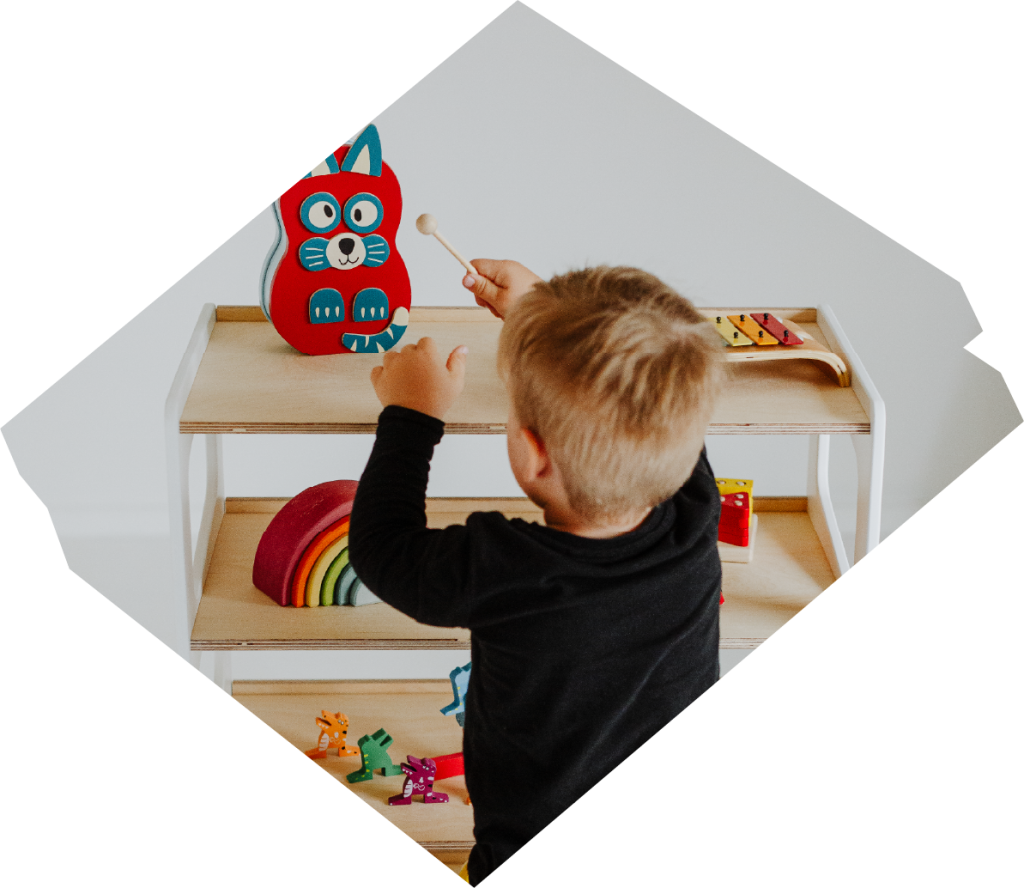
A long term investment
Although Montessori toy rotation might seem like another task on your parenting to-do list, it’s actually a time-saver that leads to a more organized, peaceful, and engaging play environment. The result is a space that promotes your child’s development while giving you peace of mind.
By implementing this method, your child will have the opportunity to play more meaningfully, focusing on fewer, high-quality toys. The benefits extend to you, too—less clutter, more organisation, and a child who engages deeply with their surroundings.
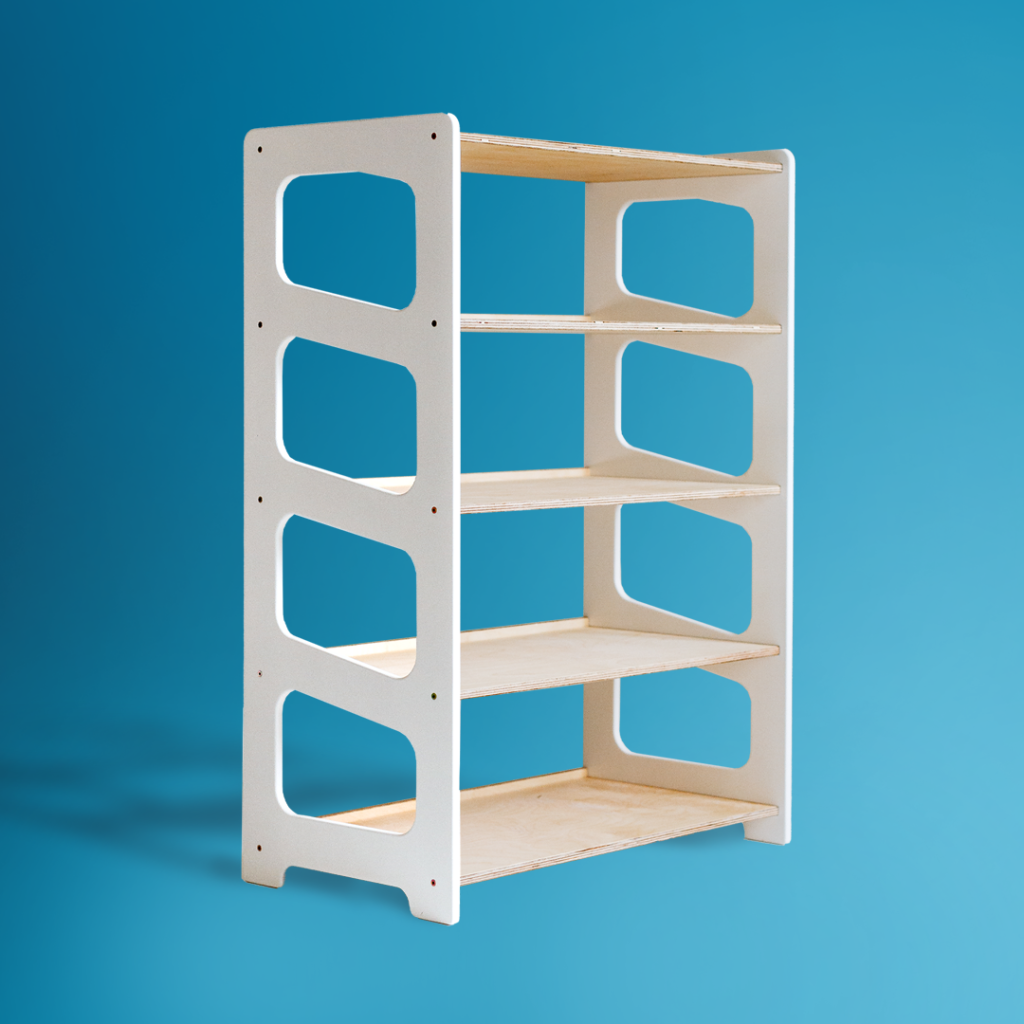
EXPLORE DIFFERENT DESIGNS
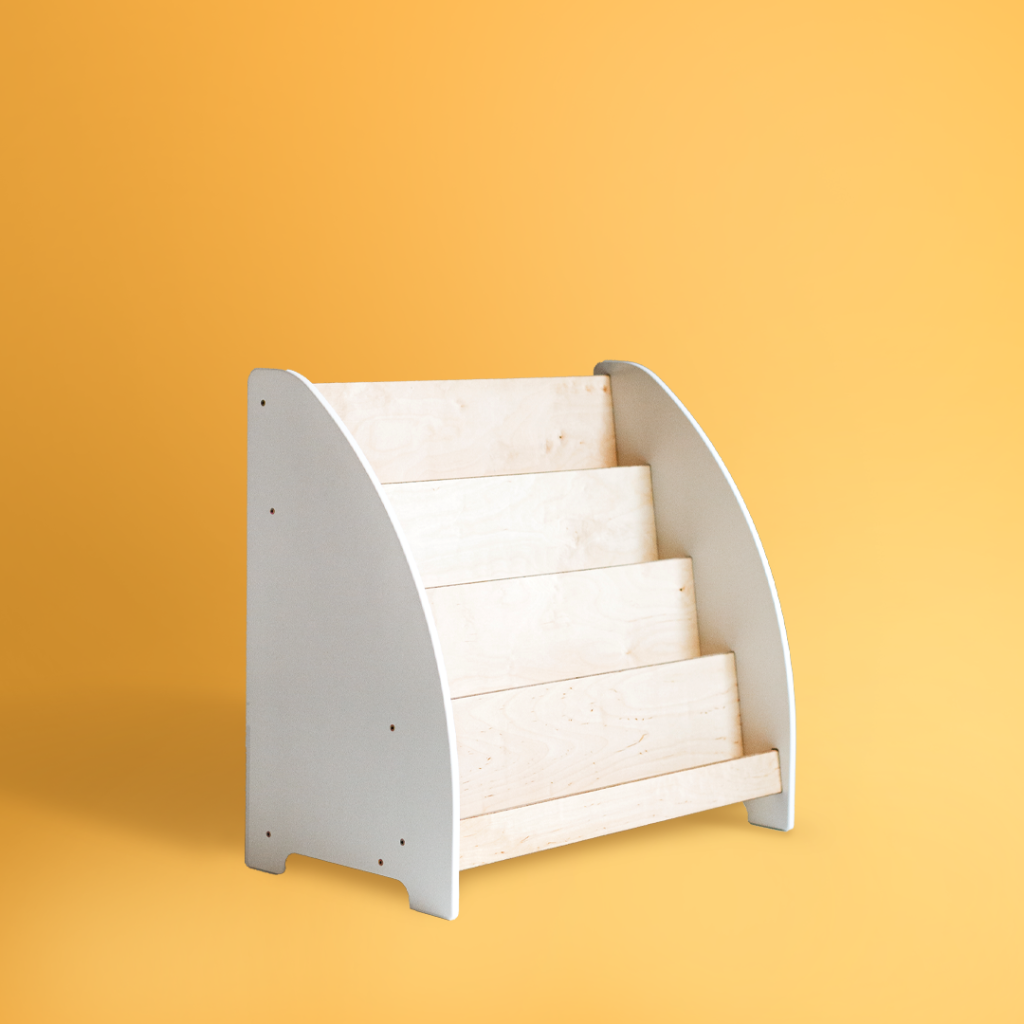
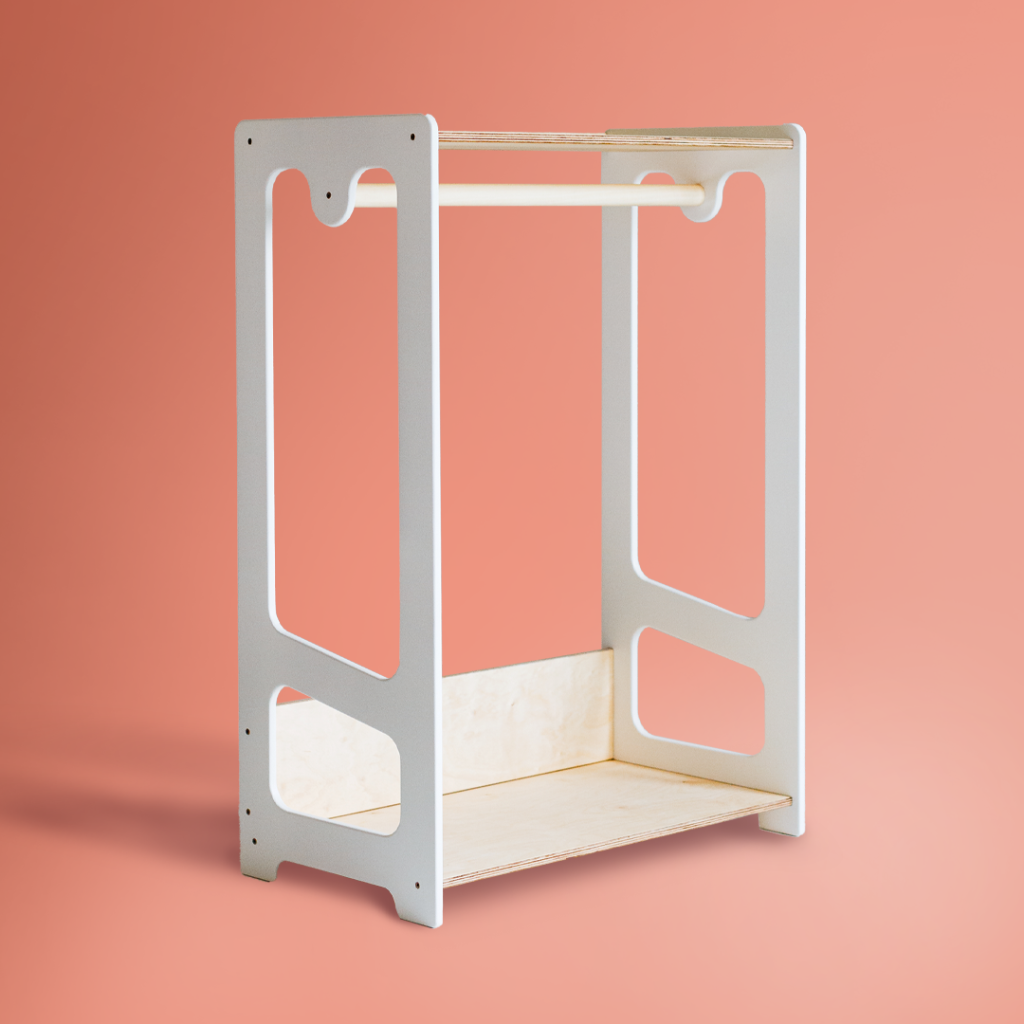
Encouraging Child-Led Play for Independence
Another key advantage of Montessori toy rotation is how it naturally aligns with child-led play. By offering a limited number of toys at any given time, children are encouraged to choose their own activities, fostering decision-making and independence. This self-directed play is crucial for developing confidence and problem-solving skills, as children learn to engage more deeply with their toys without needing constant guidance.

Deepening Parent-Child Connection through Observation
Lastly, incorporating toy rotation can also strengthen your connection with your child. As you observe their changing interests and adjust the toy selection accordingly, you gain valuable insights into their developmental progress. This allows you to support their growth in a more personalised way, ensuring that the toys you provide continue to challenge and stimulate them as they learn and explore new skills.